
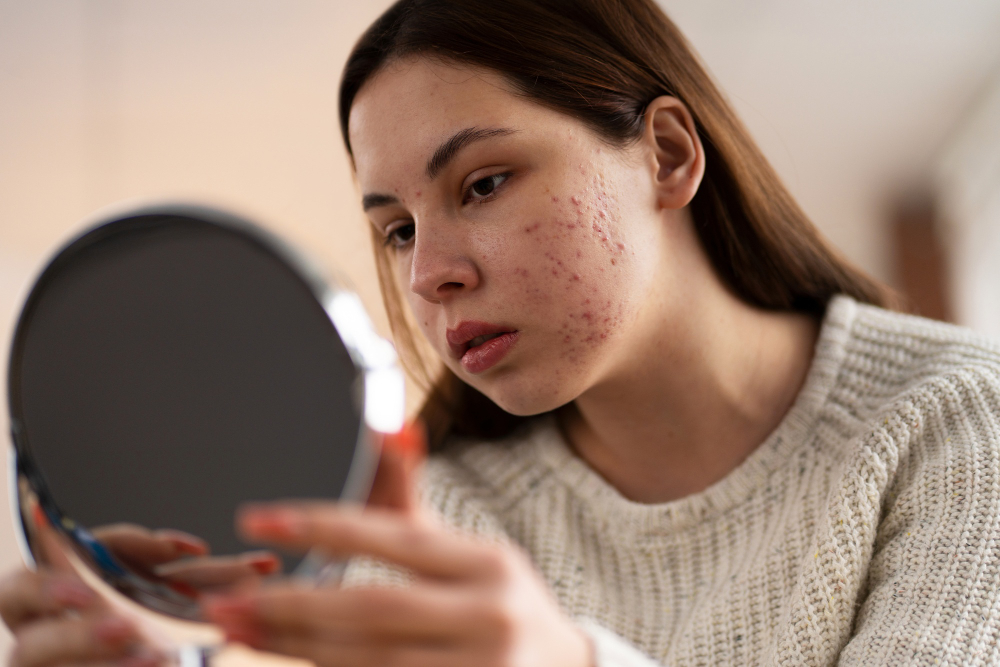
What Is Skin Darkening After Acne?
Many people notice skin darkening after acne heals. This is often called post-acne hyperpigmentation or dark spots after pimples. In simple terms, it means the skin looks darker in spots where pimples once were. Usually, these spots are flat and not raised. They can be pink, red, brown, or even purple. For some, these marks fade with time. However, for others, they may last for months or longer.
Common Causes of Skin Darkening After Acne
Skin darkening after acne happens when the skin makes extra pigment. Pigment is what gives skin its color. After a pimple heals, the skin sometimes reacts by making more pigment in that spot. Several things can cause this:
According to the American Academy of Dermatology, post-acne hyperpigmentation is common in people with darker skin tones.
How the Skin Heals After Acne
After a pimple goes away, the skin works to repair itself. During this process, the body sends cells called melanocytes to the area. These cells make melanin, which is the pigment that colors the skin. Sometimes, the skin makes too much melanin. As a result, a dark spot forms where the pimple was. Over time, the skin may return to its normal color. However, this can take weeks or even months.
Risk Factors for Post-Acne Skin Darkening
Not everyone gets dark spots after pimples. Still, some people are more at risk. For example:
Additionally, certain medications or skin care products can make the skin more sensitive. This can increase the risk of discoloration.
Diagnosis and Identification
Doctors often diagnose skin darkening after acne by looking at the skin. Usually, no special tests are needed. However, it is important to make sure the dark spots are not caused by something else. For example, some skin conditions or infections can also cause discoloration. If you are unsure, a dermatologist can help identify the cause. They may use a special light to examine the skin more closely.
Treatment Options for Skin Darkening After Acne
There are several ways to treat post-acne hyperpigmentation. Some treatments can help fade dark spots faster. Common options include:
It is important to use sunscreen every day. Sunlight can make dark spots worse and slow healing. According to the American Academy of Dermatology, sunscreen is key in treating skin discoloration.
Tips to Prevent Skin Darkening After Acne
While you cannot always prevent dark spots, some steps can help. For instance:
By following these tips, you may lower your risk of post-acne hyperpigmentation.
Lifestyle and Skincare Guidance
Healthy habits can support clear skin and help prevent dark spots after pimples. For example, wash your face twice a day with a mild cleanser. Always remove makeup before bed. Additionally, choose non-comedogenic products, which means they will not clog pores. If you spend time outside, wear a wide-brimmed hat for extra sun protection. Eating a balanced diet and staying hydrated may also help your skin heal. If you notice new or changing spots, consider talking to Dr. Anil Kumar Sri Venkateshwar Clinic, Attapur