What Is Tattoo Removal?
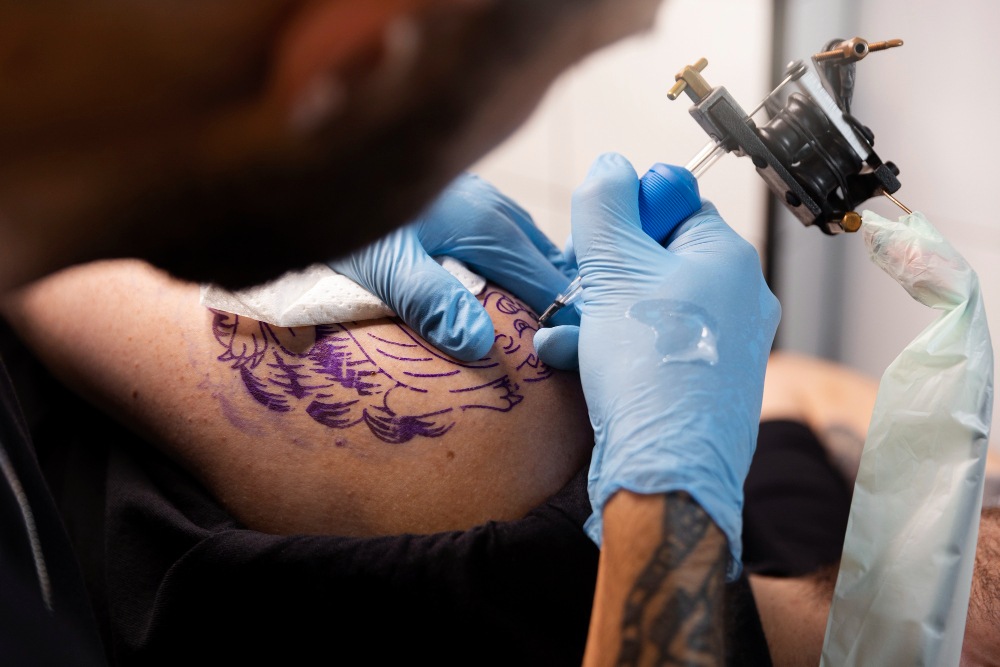
Tattoo removal is a process that helps fade or erase tattoos from the skin. Many people want to remove tattoos for personal or work reasons. Today, several tattoo removal methods are available. For example, laser tattoo removal, surgical excision, and dermabrasion are common choices. Each method works differently and has its own benefits and risks. If you are thinking about tattoo removal, it is important to know your options and how to remove a tattoo safely.
Common Reasons People Seek Tattoo Removal
People choose tattoo removal for many reasons. Sometimes, a tattoo no longer fits their style or beliefs. In other cases, work or social situations may require a change. Additionally, some people may have allergic reactions or regret their tattoo choice. Here are a few common reasons:
Overview of Tattoo Removal Methods
There are several ways to remove tattoos. Each method has its own process and results. Below are the most common tattoo removal methods:
Effectiveness and Expected Results of Each Method
Each tattoo removal method offers different results. For example, laser tattoo removal often works well for most colors and skin types. However, some colors like green or yellow may be harder to remove. Surgical excision usually removes the tattoo in one visit, but it leaves a scar. Dermabrasion can fade tattoos, but results may vary based on ink depth and skin type. Usually, more than one session is needed for complete removal. Results depend on tattoo size, ink color, and how long you have had the tattoo.
Safety Considerations and Possible Side Effects
Safety is very important when choosing a tattoo removal method. Laser tattoo removal safety is well-studied, but some side effects can happen. For example, you might have redness, swelling, or blistering after treatment. Sometimes, changes in skin color or scarring can occur. Surgical excision always leaves a scar, and there is a risk of infection. Dermabrasion can cause bleeding, infection, or changes in skin texture. To lower risks, always choose a trained medical professional. The CDC and WHO recommend following strict hygiene and aftercare steps.
Who Is a Good Candidate for Tattoo Removal?
Not everyone is a good candidate for tattoo removal. For instance, people with lighter skin and darker tattoos often see better results. However, those with darker skin may need special care to avoid changes in skin color. Good candidates are healthy, do not have skin infections, and have realistic expectations. If you have certain health conditions or take some medicines, talk with your doctor first. In some cities, local rules may affect where you can get safe tattoo removal.
Aftercare Tips and Recovery
Proper aftercare helps your skin heal and lowers the risk of side effects. After tattoo removal, keep the area clean and dry. For example, use gentle soap and avoid picking at scabs. Apply any ointment your doctor gives you. Stay out of the sun, as sunlight can slow healing. If you notice signs of infection, such as pus or fever, contact your doctor right away. Following aftercare tips can help you recover faster and get the best results.
Prevention: Things to Consider Before Getting a Tattoo
Before getting a tattoo, think about your long-term plans. For instance, choose a design and location you will not regret later. Always pick a licensed and clean tattoo studio. Ask about the inks and tools they use. Remember, some inks are harder to remove than others. If you have skin allergies or health issues, talk to your doctor first. Careful planning now can help you avoid tattoo removal in the future.
Conclusion
If you are considering tattoo removal, our team can help guide you. Book a consultation at Anil Kumar Sri Venkateshwar Clinic Attapur to discuss safe and effective options for your needs.