
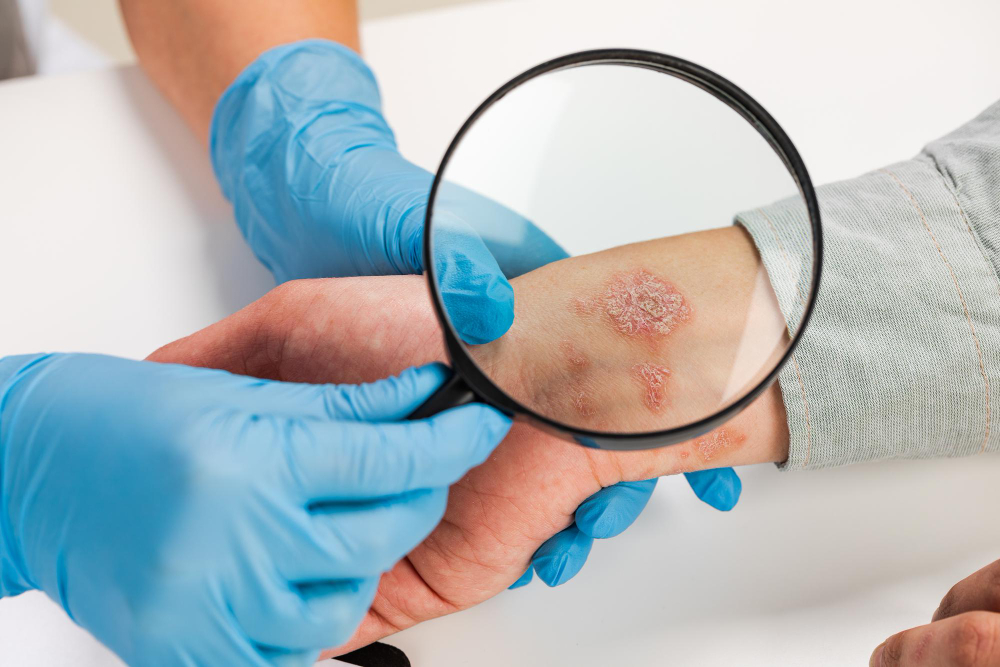
What Are Fungal Skin Infections?
Fungal skin infections are caused by tiny organisms called fungi. These infections often appear on the skin, nails, or scalp. Because fungi thrive in warm and moist places, they can grow quickly on the body. For this reason, it is important to manage fungal skin infections before they spread. Early action can help stop skin fungus from spreading and make treatment easier.
Common Symptoms and Early Signs
Recognizing symptoms early can help with treating fungal infections early. Usually, fungal skin infections show up as:
Sometimes, the skin may also burn or sting. However, symptoms can vary based on the type of fungus and the area affected.
Causes and Risk Factors
Many things can cause fungal skin infections. For example, fungi can spread through direct contact with infected people or animals. In addition, sharing towels, clothes, or shoes can increase your risk. Some common risk factors include:
Because these factors make it easier for fungi to grow, it is important to be aware of them.
How Fungal Infections Spread
Fungal infections spread easily from person to person. For instance, touching infected skin or surfaces can pass the fungus. Also, pets can carry fungi and infect humans. In some cases, fungi live on surfaces like gym mats or locker room floors. Therefore, good hygiene is key to prevent fungal skin infections.
Effective Management Strategies
Managing fungal skin infections before they spread is important. Here are some dermatology tips for skin fungus:
Additionally, always finish the full course of treatment, even if symptoms improve. This helps prevent the infection from coming back.
Prevention Tips
Preventing fungal skin infections is easier than treating them. To help stop skin fungus from spreading, try these tips:
Because prevention is key, these habits can lower your risk of infection.
When to See a Doctor
Sometimes, home care is not enough. If the infection does not improve after two weeks, see a doctor. Also, if the rash spreads, becomes painful, or you have a fever, seek medical help. People with diabetes or weak immune systems should contact a dermatologist sooner. Early treatment can prevent serious problems.
In summary, managing fungal skin infections before they spread is important for your health. If you notice symptoms or have concerns, consult a dermatologist Dr. Anil Kumar at Sri Venkateshwar Clinic for personalized advice.