What Is Mesotherapy?
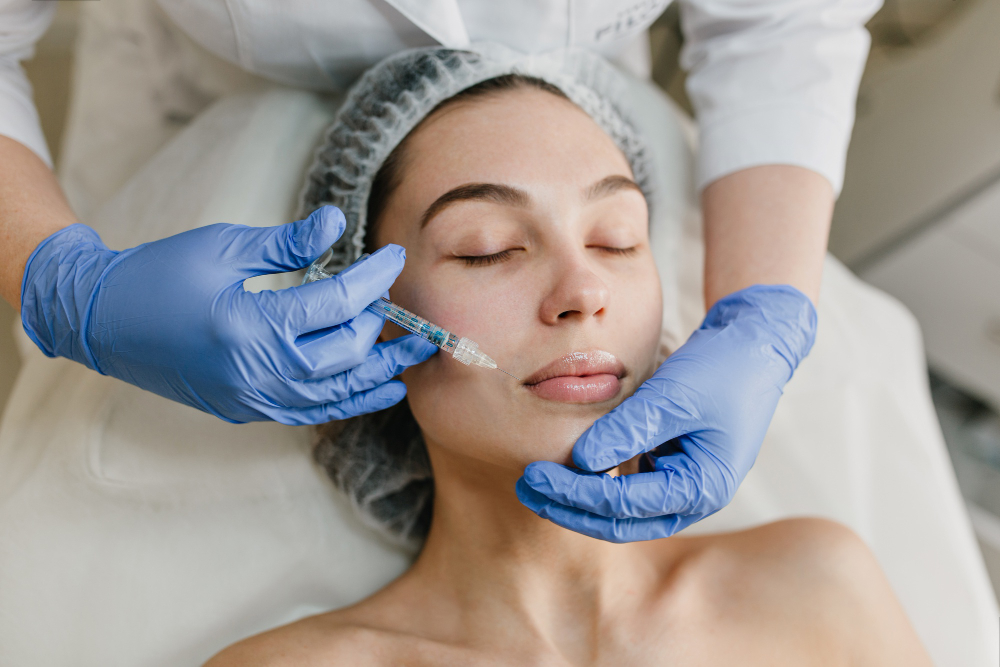
Mesotherapy is a non-surgical treatment used for skin and body concerns. It involves tiny injections of vitamins, enzymes, hormones, or plant extracts into the skin. Many people choose mesotherapy to improve skin appearance or reduce fat. Although it started in France in the 1950s, mesotherapy is now popular worldwide. According to the World Health Organization, non-surgical cosmetic treatments like mesotherapy are growing in demand. Because it is less invasive than surgery, many find it appealing.
How Does Mesotherapy Work?
During mesotherapy, a healthcare provider uses a fine needle to inject a mix of substances into the middle layer of your skin. These substances may include:
Usually, the goal is to boost skin health or break down fat cells. For example, some believe the treatment helps improve blood flow and remove toxins. However, more research is needed to confirm how mesotherapy works. Still, many clinics offer this treatment for various skin and body issues.
Common Uses of Mesotherapy
Mesotherapy treatment can address several cosmetic concerns. While results may vary, people often use mesotherapy for:
In addition, some clinics use mesotherapy for scar treatment. However, the U.S. Food and Drug Administration (FDA) has not approved mesotherapy for fat removal. Because of this, it is important to talk with a qualified provider before starting treatment.
Benefits of Mesotherapy
Many people seek mesotherapy for its potential benefits. For instance, it is less invasive than surgery. Other possible mesotherapy benefits include:
Additionally, some people notice smoother or firmer skin. However, results can differ from person to person. Because the effects are not permanent, repeat sessions may be needed.
Potential Risks and Side Effects
Like any medical procedure, mesotherapy has risks. According to the Centers for Disease Control and Prevention, side effects can include:
Although most side effects are mild and go away quickly, some may last longer. Therefore, always choose a trained and licensed provider. If you notice severe pain or signs of infection, seek medical help right away.
What to Expect During a Mesotherapy Session
Before your session, your provider will review your health history. Next, they will clean the treatment area. Sometimes, a numbing cream is used to reduce discomfort. During the session, you may feel tiny pinches as the needle enters your skin. Each session usually lasts 20 to 30 minutes. Afterward, you can often return to normal activities. However, you might have some redness or swelling for a day or two.
Aftercare and Recovery
Proper aftercare helps reduce side effects and supports healing. After your mesotherapy treatment, your provider may suggest:
Although most people recover quickly, some may notice mild bruising or swelling. If you have concerns, contact your provider for advice. Because results can take time, be patient and follow your provider’s instructions.
Who Should Avoid Mesotherapy?
Mesotherapy is not right for everyone. For example, you should avoid mesotherapy if you:
Before starting mesotherapy, always discuss your medical history with your provider. This helps ensure the treatment is safe for you.
Frequently Asked Questions About Mesotherapy
Is mesotherapy treatment painful? Most people feel only mild discomfort. Because a numbing cream is often used, pain is usually minimal.
How many sessions are needed? The number of sessions depends on your goals. Usually, people need three to six treatments for best results.
Are the results permanent? No, mesotherapy results are not permanent. Therefore, you may need repeat treatments to maintain the effects.
Is mesotherapy safe? When performed by a trained provider, mesotherapy is generally safe. However, risks and side effects are possible, so always choose a qualified professional.