
Introduction
Hyperpigmentation is a common skin concern that causes dark spots or patches. Many people want to fade these spots safely. Natural and plant-based solutions for hyperpigmentation that actually work are gaining attention. In this blog, you will learn about proven natural remedies, how they help, and tips for safe use. We focus on evidence-based options to help you make informed choices.
What Is Hyperpigmentation?
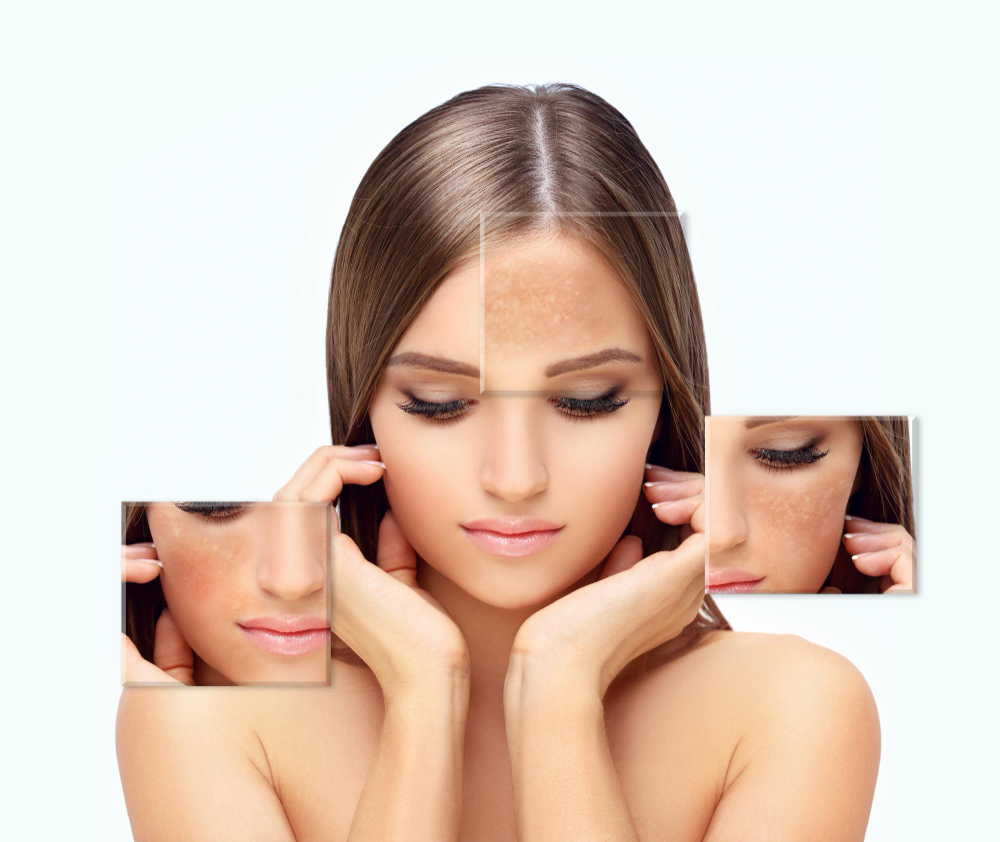
Hyperpigmentation means some areas of your skin become darker than others. This happens when your skin makes extra pigment called melanin. Often, sun exposure, aging, acne scars, or skin injuries can cause these dark spots. Sometimes, hormonal changes or certain medicines also play a role. While hyperpigmentation is not harmful, it can affect how you feel about your skin.
Why Choose Natural and Plant-Based Solutions?
Many people prefer natural and plant-based hyperpigmentation remedies for several reasons. First, these options are often gentle on the skin. Also, they usually have fewer harsh chemicals than synthetic treatments. For example, some chemical creams may cause irritation or dryness. In contrast, plant-based solutions often soothe and nourish your skin. However, natural does not always mean risk-free, so it is important to use them carefully.
Top Natural and Plant-Based Remedies for Hyperpigmentation
Several natural treatments for dark spots have shown promise. Below are five plant-based solutions with scientific support:
Precautions and When to See a Dermatologist
Although natural treatments for dark spots are often safe, they can still cause side effects. For example, some people may have allergies or irritation. Always do a patch test before using any new remedy. If you notice redness, itching, or swelling, stop using it. Also, natural remedies may take weeks or months to show results. If your dark spots change shape, grow quickly, or bleed, see a dermatologist right away. Sometimes, dark spots can be a sign of a more serious problem.
Prevention Tips
Preventing hyperpigmentation is easier than treating it. Here are some simple tips:
In sunny areas or hot climates, extra sun protection is very important. This helps prevent new dark spots from forming.
Conclusion
Natural and plant-based solutions for hyperpigmentation can help fade dark spots safely. Results may take time, and remedies vary by individual. For best outcomes and sun protection, consult Dr Anil Kumar, a dermatologist at Sri Venkateshwar Clinic, Attapur, for personalised guidance on treating hyperpigmentation effectively.