
Introduction
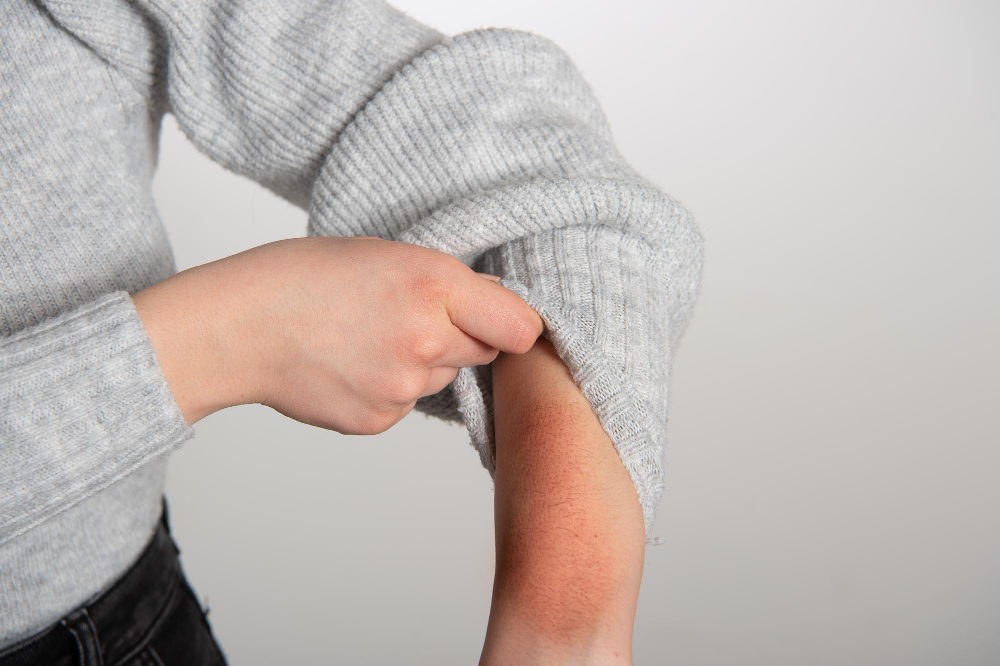
Urticaria, also known as hives, is a skin condition that causes red, itchy bumps. Sometimes, these hives appear suddenly and can be alarming. Many people wonder why hives show up without warning. In this blog, we will explain what urticaria is, discuss sudden hives causes, and share tips for preventing urticaria outbreaks. Understanding urticaria can help you manage symptoms and know when to seek help.
Symptoms of Urticaria
Hives can look different from person to person. However, there are some common urticaria symptoms to watch for. For example, you may notice:
Sometimes, hives can be painful or cause a burning feeling. In rare cases, swelling may affect the lips, eyes, or throat. If this happens, seek help right away.
Common Causes and Triggers
There are many sudden hives causes. Often, urticaria appears when your body reacts to something in the environment. Some common triggers include:
Sometimes, the cause is unknown. This is called idiopathic urticaria. But even then, you can still manage symptoms with the right care.
Diagnosis Process
If you have hives, a doctor can help find the cause. Usually, the diagnosis starts with a physical exam. Next, your doctor may ask about your medical history and recent activities. Sometimes, allergy tests or blood tests are needed. These tests help rule out other conditions. However, in many cases, the cause is never found. Even so, your doctor can still suggest ways to treat hives and prevent future outbreaks.
Treatment Options
Knowing how to treat hives can bring relief. Most cases of urticaria go away on their own. But, treatment can help reduce itching and swelling. Common options include:
For chronic urticaria, your doctor may suggest other treatments. These may include stronger medicines or allergy shots. Always follow your doctor’s advice for the best results.
Lifestyle Tips and Prevention
There are steps you can take to help prevent urticaria outbreaks. For instance, you can:
Although not all outbreaks can be prevented, these tips may lower your risk. If you notice a pattern, share it with your doctor. This can help guide your treatment plan.
When to Seek Medical Help
Most hives are not dangerous. However, you should seek medical help if you:
These symptoms may signal a serious allergic reaction. Quick treatment can prevent complications. Therefore, do not wait to get help if you feel unwell.
In summary, urticaria can be managed with the right care. If you have sudden hives or want advice on preventing urticaria outbreaks, consult a dermatologist Dr. Anil Kumar at Sri Venkateshwar Clinic, Attapur for personalized advice on urticaria and sudden hives.